


Cross-embodiment
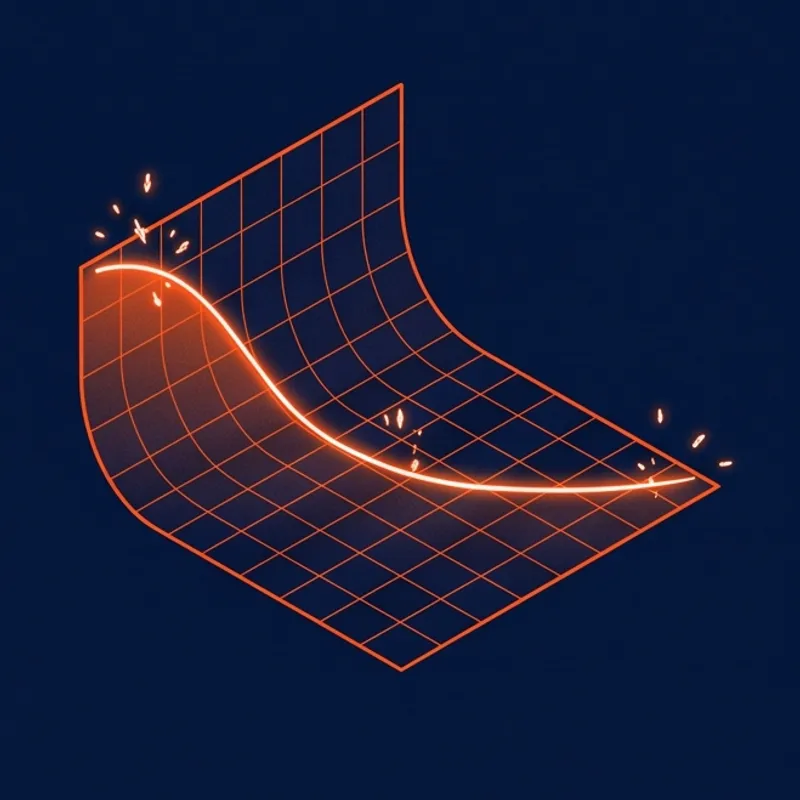
Training a robot in one situation and having it apply that knowledge in a different physical form or environment.
Cross-embodiment means teaching a robot a skill in one physical setup, then expecting it to use that skill in a different body or place.
Imagine training a robot arm to pick up a specific object. If that robot then needs to pick up the same object with a different arm, or even a whole new robot body, that's cross-embodiment. The goal is for the robot to transfer its learned skills without needing to be retrained from scratch for every new situation.
Cross-embodiment refers to the ability of an AI model, typically controlling a robotic system, to transfer learned policies or skills from one embodiment (e.g., a specific robot model, sensor suite, or physical environment) to a different, unseen embodiment. This challenges the model to generalize beyond the specific physical parameters of its training setup, often relying on learning invariant features or abstract representations of the task and environment.
Key challenges include bridging the sim-to-real gap when training in simulation and deploying on hardware, as well as adapting to differences in kinematics, dynamics, sensor noise, and actuator responses between embodiments. Success in cross-embodiment is crucial for developing general-purpose robots that can operate in diverse real-world scenarios without extensive re-calibration or retraining for each new physical form.
Cross-embodiment is gaining attention as AI labs like Google DeepMind explore how to make AI models more versatile. The goal is to train AI in one context and have it perform tasks in different physical bodies or environments, moving beyond simulation to real-world robotics.
- One Brain, Any Body: Google DeepMind's Keerthana on Gemini Robotics 2, Cross-Embodiment & HumanoidsGoogle · The Cognitive Revolution ·
- Google Gemini
- Google DeepMind is actively researching cross-embodiment, as highlighted by their work on Gemini Robotics 2, aiming to transfer learned skills across different robotic forms.
- Sim-to-real transfer
- This focuses on transferring models trained in simulation
- Domain adaptation
- This is a broader machine learning concept of adapting a mode
- Transfer learning
- This is a general machine learning technique where knowledge
The concept of cross-embodiment in robotics and AI has emerged from research into transfer learning and generalization for embodied agents. It is a natural extension of challenges faced in multi-task and multi-robot learning.
While direct cross-embodiment experiments are complex, you can explore related concepts by observing how AI models generalize. For example, try using a chatbot like Google Gemini or ChatGPT to describe a task, then ask it to explain how a robot with a different number of arms or different grippers might perform that same task. Notice if its explanations remain consistent or if it struggles with the change in physical form.
The Playbook: reusable how-tos, prompts, configs and tips pulled out of the news.
- PromptRole-play a student struggling with math for AI tutor simulationSimulate a student's math struggles and uncertainty for AI tutor evaluation. · 5 min
- TemplateReusable workflow templates for healthcare teamsTeams can create and share templates for common workflows like documentation or prior authorizations. · 15 min
- TemplateTemplate for building an AI tool tailored to your workA structured approach to defining and building a custom AI tool for specific business needs. · 15 min
- TemplateEvals CSV prompt list for agent skillsA CSV file template for listing prompts used in evaluating agent skills. · 20 min
- HeuristicDouble coding agent task completion with docs linksProviding coding agents with a documentation link significantly increases their task completion rate. · 2 min
Questions people ask
- Why is cross-embodiment important for robots?
- It's important because it allows robots to learn skills once and apply them to many different physical bodies or environments, making them more versatile and reducing the cost of retraining for each new robot.
- What makes cross-embodiment difficult?
- It's difficult because robots have different physical properties like size, weight, sensor types, and movement capabilities. An AI needs to learn skills that are robust to these physical differences.
First seen on Subvolts Oct 3, 2026. Updated Oct 10, 2026. Written by an AI model from the items above and reviewed against them weekly; report an error.