


In-place rule mutation
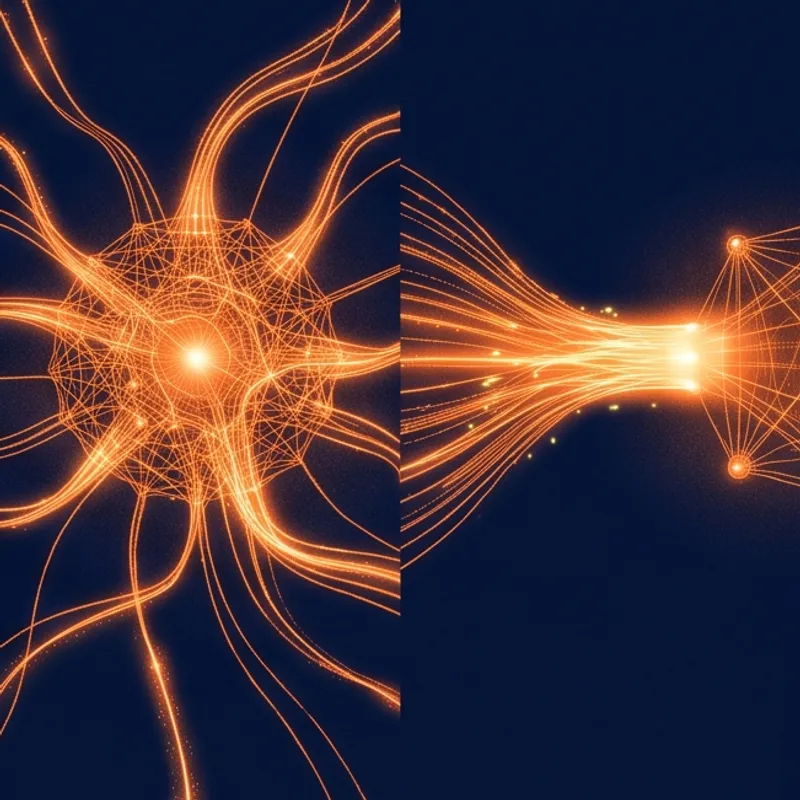
Changing rules or configurations directly in their current location, which can lead to unexpected issues.
Imagine you have a list of instructions for a robot. In-place rule mutation means changing one of those instructions right there on the list, instead of making a new, corrected list.
This can be risky because if you make a mistake while changing the instruction, the robot might do something completely wrong. It's like trying to fix a typo in a book by erasing the word and writing a new one directly on the page. If your new word doesn't fit, the sentence might not make sense anymore.
In-place rule mutation refers to the modification of a set of rules, configurations, or parameters directly within their existing data structure or memory location. This contrasts with creating a new set of rules or a modified copy. While it can be memory efficient, it carries a significant risk of introducing subtle bugs or unintended side effects if the mutation process is not carefully managed, especially in concurrent or complex systems.
This term is appearing because developers are refining tools and libraries for AI models. Specifically, changes are being made to prevent unintended consequences when updating configurations or rules within these systems. This ensures more stable and predictable behavior when working with AI APIs.
- Google Gemini
- Google Gemini's API Cookbook mentions avoiding in-place rule mutation to improve error handling and timeouts in code examples.
- Immutable data structures
- Immutable structures cannot be changed after creation
- Rule versioning
- This involves creating new versions of rules rather than modify
- Patching
- Patching typically refers to applying small, specific changes to code
The concept of in-place mutation is fundamental in computer science, particularly in programming languages and data structures where variables or objects can be modified directly. Its application in AI systems relates to how models or their configurations are updated.
Open a simple text editor and type a sentence. Now, try to change a word directly by erasing part of it and writing the new word. Notice how easy it is to make a mess. In AI, this is similar to how changing a model's settings directly could lead to unexpected outputs.
The Playbook: reusable how-tos, prompts, configs and tips pulled out of the news.
- PromptRole-play a student struggling with math for AI tutor simulationSimulate a student's math struggles and uncertainty for AI tutor evaluation. · 5 min
- TemplateReusable workflow templates for healthcare teamsTeams can create and share templates for common workflows like documentation or prior authorizations. · 15 min
- TemplateTemplate for building an AI tool tailored to your workA structured approach to defining and building a custom AI tool for specific business needs. · 15 min
- TemplateEvals CSV prompt list for agent skillsA CSV file template for listing prompts used in evaluating agent skills. · 20 min
- HeuristicDouble coding agent task completion with docs linksProviding coding agents with a documentation link significantly increases their task completion rate. · 2 min
Questions people ask
- Why is in-place mutation bad?
- It can lead to unexpected behavior or errors because changes might affect other parts of the system that rely on the original state.
- What's an alternative to in-place mutation?
- Creating a new, modified version of the rules or data is a safer alternative, ensuring the original state remains intact.
First seen on Subvolts Sep 15, 2026. Updated Sep 22, 2026. Written by an AI model from the items above and reviewed against them weekly; report an error.