


Introspection
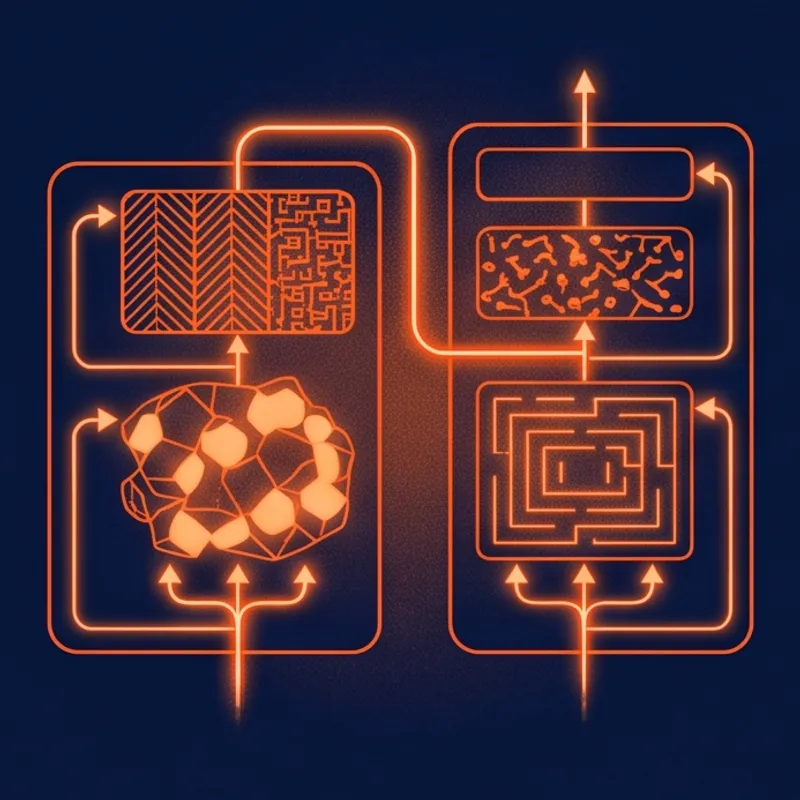
The ability of a system to examine its own internal states or processes.
Introspection is when an AI system can look at itself and understand what it is doing or how it arrived at a decision. It's like a person thinking about their own thoughts.
For example, an AI might be asked to explain why it gave a certain answer. If it can access and report on its own reasoning steps, that's introspection. This helps researchers understand and improve AI behavior.
Introspection refers to a system's capability to monitor, report on, and potentially modify its own internal states, computations, or decision-making processes. This can range from simple logging of intermediate activations to complex self-reflection mechanisms designed to evaluate performance or identify biases.
Implementing introspection often involves designing specific modules or attention mechanisms that allow the model to attend to its own internal representations. Tradeoffs include increased computational overhead and potential for the introspection mechanism itself to be flawed or manipulated.
Recent discussions around AI consciousness and welfare highlight the importance of understanding an AI's internal workings. Introspection is key to developing AI that can explain its reasoning and potentially exhibit self-awareness, which is a growing area of research for companies like Anthropic.
- Does Learning Require Feeling? Cameron Berg on the latest AI Consciousness & Welfare ResearchAnthropic · The Cognitive Revolution ·
- Anthropic Claude
- Anthropic's research explores AI consciousness and welfare, touching on how AI systems might examine their own states, a concept related to introspection.
- Explainability
- Explainability focuses on making AI decisions understandable to
- Self-awareness
- Self-awareness is a broader concept implying consciousness and a
- Debugging
- Debugging is the process of finding and fixing errors, often by exter
The term 'introspection' originates from psychology, referring to the examination of one's own conscious thoughts and feelings. In AI, it's applied to systems capable of examining their own internal processes.
Ask an AI chatbot like ChatGPT or Claude to explain how it arrived at a particular answer. If the AI can describe its reasoning steps or the information it used, it's demonstrating a form of introspection. For instance, you could ask, 'Why did you suggest X?' and then follow up with, 'How did you decide that X was the best option?'
The Playbook: reusable how-tos, prompts, configs and tips pulled out of the news.
- PromptRole-play a student struggling with math for AI tutor simulationSimulate a student's math struggles and uncertainty for AI tutor evaluation. · 5 min
- TemplateReusable workflow templates for healthcare teamsTeams can create and share templates for common workflows like documentation or prior authorizations. · 15 min
- TemplateTemplate for building an AI tool tailored to your workA structured approach to defining and building a custom AI tool for specific business needs. · 15 min
- TemplateEvals CSV prompt list for agent skillsA CSV file template for listing prompts used in evaluating agent skills. · 20 min
- HeuristicDouble coding agent task completion with docs linksProviding coding agents with a documentation link significantly increases their task completion rate. · 2 min
Questions people ask
- Can AI truly be introspective like humans?
- Current AI introspection is limited to examining computational processes, not subjective experience. It's a functional capability, not a sign of human-like consciousness.
- Why is AI introspection important?
- It's crucial for improving AI reliability, debugging errors, and building trust by making AI decisions more transparent and understandable.
First seen on Subvolts Apr 23, 2026. Updated Sep 17, 2026. Written by an AI model from the items above and reviewed against them weekly; report an error.