


Spectrum
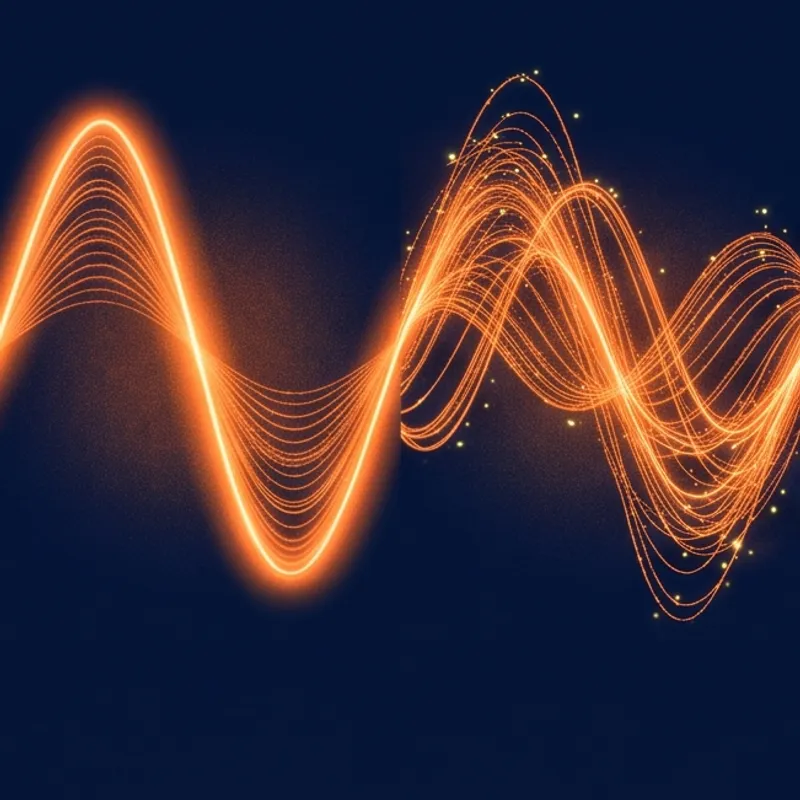
The range of electromagnetic waves used for wireless communication, like radio waves for cell phones and Wi-Fi.
Spectrum refers to the invisible airwaves that devices like cell phones, radios, and Wi-Fi routers use to send and receive signals. Think of it like different radio stations, but for all wireless communication. Each signal needs its own channel within the spectrum to avoid interference.
Governments manage and sell access to different parts of the spectrum. Companies pay for licenses to use specific frequencies for their services, like mobile phone networks. This allows them to provide reliable internet and calling services without their signals clashing with others.
The electromagnetic spectrum encompasses all radio frequencies used for wireless transmission. These frequencies are allocated by regulatory bodies for various applications, including cellular communication, Wi-Fi, satellite, and broadcast. The efficient use and management of spectrum are critical for enabling the increasing demand for wireless data and services, with ongoing research into dynamic spectrum access and new frequency bands.
SpaceX's plans to offer its own mobile service, including acquiring crucial spectrum, are driving recent mentions of this term. This move aims to provide direct indoor cell service from satellites, potentially disrupting the existing wireless market.
- Why Elon Musk wants to sell you cell servicexAI · Decoder with Nilay Patel ·
- Musk’s SpaceX Acquiring Crucial Swath of SpectrumxAI · Bloomberg Technology ·
- SpaceX Announces Plans That Could Take Aim at Major Mobile CarriersxAI · The Information ·
- xAI Grok
- xAI Grok is associated with SpaceX's efforts to acquire and utilize spectrum for satellite-based mobile services.
- Frequency
- Frequency is a specific point or narrow band within the spectrum, mea
- Bandwidth
- Bandwidth refers to the range of frequencies within a given band, oft
The concept of the electromagnetic spectrum originates from the scientific understanding of electromagnetic radiation, formalized by physicists like James Clerk Maxwell in the 19th century. Its practical application and regulation for communication developed over the 20th century. Source ↗
Turn on your phone's Wi-Fi and then turn it off. Notice how your phone loses its connection to the internet. This demonstrates how your phone uses a specific part of the radio spectrum to communicate wirelessly.
The Playbook: reusable how-tos, prompts, configs and tips pulled out of the news.
- PromptRole-play a student struggling with math for AI tutor simulationSimulate a student's math struggles and uncertainty for AI tutor evaluation. · 5 min
- TemplateReusable workflow templates for healthcare teamsTeams can create and share templates for common workflows like documentation or prior authorizations. · 15 min
- TemplateTemplate for building an AI tool tailored to your workA structured approach to defining and building a custom AI tool for specific business needs. · 15 min
- TemplateEvals CSV prompt list for agent skillsA CSV file template for listing prompts used in evaluating agent skills. · 20 min
- HeuristicDouble coding agent task completion with docs linksProviding coding agents with a documentation link significantly increases their task completion rate. · 2 min
Questions people ask
- What is the difference between spectrum and frequency?
- Spectrum is the entire range of electromagnetic waves, while frequency is a specific point or narrow band within that range.
- Why is spectrum important for AI?
- AI relies on vast amounts of data, and spectrum is essential for the wireless infrastructure needed to transmit that data quickly and reliably to AI models and devices.
First seen on Subvolts Oct 8, 2026. Updated Oct 17, 2026. Written by an AI model from the items above and reviewed against them weekly; report an error.