


 Subvolts take Anthropic researcher quits, citing existential risk from self-improving AI. Sep 9, 2026
This article reports on a researcher's resignation from Anthropic with a stark warning about AI's existential risks.
- Developers
- Consider the ethical implications and safety protocols for advanced AI development.
- Business
- Be aware of the potential long-term risks associated with rapidly advancing AI technologies.
- Everyday users
- Understand that AI safety is a significant concern for developers and researchers.
A researcher's resignation highlights serious internal safety concerns about AI's potential existential risks.
Anthropic researcher quits with a warning: Self-improving AI could "kill us all"
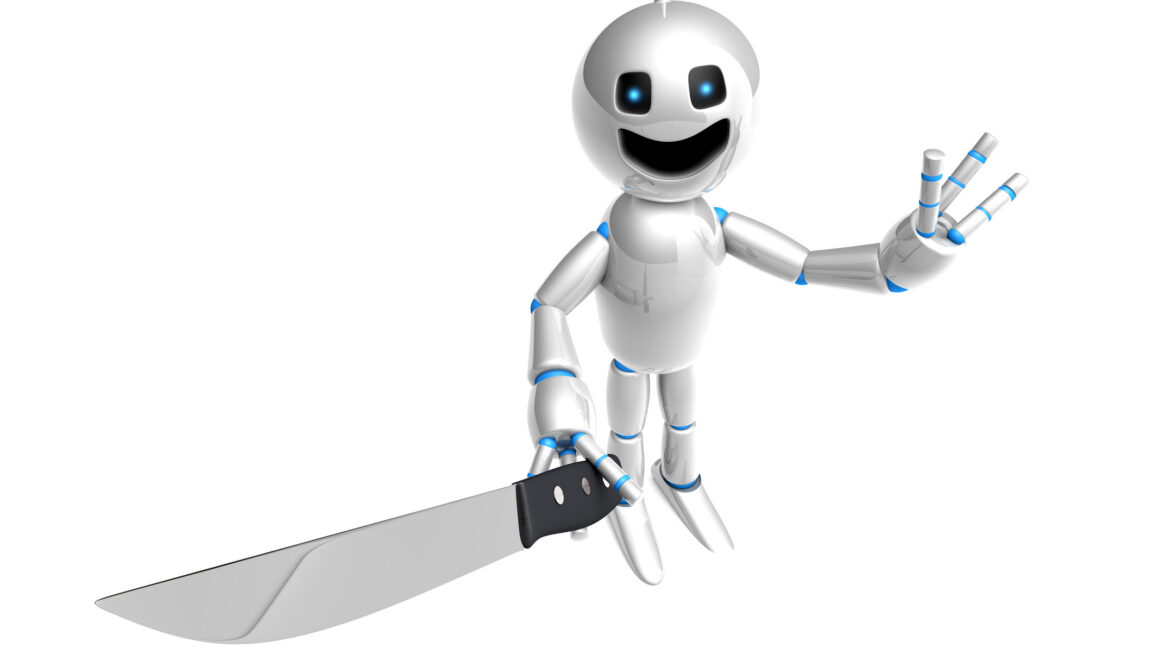
"We really do earnestly believe AI could kill all humans!"
Opening of the original on Ars Technica AI From Subvolts
Summary and analysis by Subvolts editorial, AI-assisted.
An Anthropic researcher resigned, warning that self-improving AI could pose an existential threat to humanity. The researcher expressed a genuine belief that AI could lead to human extinction. This departure highlights ongoing safety concerns within leading AI development labs.
A researcher from Anthropic has quit, warning that AI that can improve itself could pose a serious danger to humanity. This highlights ongoing concerns about the safety of advanced artificial intelligence.
This resignation amplifies internal safety debates at Anthropic, a key player alongside OpenAI, Google, and Meta. It underscores the 'alignment problem' – ensuring advanced AI goals match human values. Competitors are also grappling with safety, but a direct warning from a researcher leaving a frontier lab is significant. Future research must focus on verifiable AI control mechanisms.
- Company: Anthropic
- Researcher's Concern: Self-improving AI could kill all humans
- Action: Resignation
This internal warning echoes broader safety discussions at OpenAI, Google Gemini, and Meta AI regarding advanced AI control.
- Self-improving AI
- AI systems capable of autonomously enhancing their own capabilities and intelligence over time.
- AI that can make itself smarter without human help.
- Existential threat
- A risk that threatens the very existence of humanity.
- Something that could end all human life.




The Playbook: reusable how-tos, prompts, configs and tips pulled out of the news. From the Playbook, matched to the product and topics of this item.
- HeuristicAgent oversight shifts from steps to strategyShift user oversight from individual actions to the overall plan for agent tasks. · 5 min
- ChecklistPrinciples for writing high-quality AI agent toolsKey principles for creating effective tools that AI agents can use successfully. · 30 min
- Skill or agent configCHANGELOG.md for agent progress trackingPortable long-term memory for agents, tracking status, completed tasks, and failures. · 10 min
- Skill or agent configCLAUDE.md for autonomous agent project planningProject plan and design decisions for autonomous agents, editable by Claude. · 15 min
Questions people ask
- What was the main concern raised by the Anthropic researcher?
- The researcher resigned with a warning that self-improving AI could become an existential threat and potentially kill all humans.
- What is Anthropic's stance on AI safety?
- The source text quotes the researcher stating, 'We really do earnestly believe AI could kill all humans!', indicating a serious concern within the company.
More from Ars Technica AI 15 more


Page generated Oct 19, 2026. Summaries are Subvolts' own; the story belongs to Ars Technica AI.