


 Subvolts take Understand how antitrust law could shape AI safety rules and competition. Sep 19, 2026
- Developers
- Learn how potential regulations and antitrust laws might affect AI development and collaboration.
- Business
- Understand the legal landscape and competition policy implications of AI safety coordination among major tech firms.
This episode features a former top government antitrust official discussing critical legal and policy issues in AI.
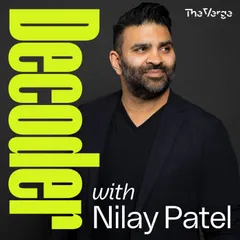
Does AI need an antitrust exemption so it doesn't kill everyone????
Audio streams from The Verge. Your place is remembered on this device.
From Subvolts
Summary and analysis by Subvolts editorial, AI-assisted.
Decoder host Nilay Patel interviews Jonathan Kanter, former antitrust chief for the U.S. Department of Justice, about the complex debate surrounding AI safety and regulation. They discuss how AI companies' calls for antitrust exemptions to coordinate on safety might interact with competition policy and international relations, particularly concerning China.
AI companies want to work together on safety, but this might break competition rules. This episode explains if they can get special permission and what that means for everyone.
This episode offers a deep dive into the legal and policy implications of AI development. It is for anyone concerned about how AI regulation might impact competition and innovation. Listeners will learn how antitrust law could shape the future of AI, connecting directly to current discussions by major AI labs like OpenAI, Google Gemini, and Anthropic about slowing development and seeking regulatory coordination.
- HostNilay Patel
- GuestJonathan Kanterformer antitrust chief, U.S. Department of Justice
- Episode Title: Does AI need an antitrust exemption so it doesn't kill everyone????
- Show: Decoder with Nilay Patel
- Length: 46 minutes
- Guest: Jonathan Kanter, former antitrust chief for the U.S. Department of Justice
The biggest story in tech right now is the spiraling debate about AI safety and regulation. The CEOs of all these companies have issued various calls to slow down development and develop regulation, including asking for antitrust exemptions so they can all coordinate on safety issues.
So to make sense of it all, I called Jonathan Kanter, the former antitrust chief for the U.S. Department of Justice in the Biden Administration. There's a lot going on, and we really got into the weeds of how all this regulation might work, and how it might interact with antitrust law, competition policy, and our relationship with China.
Links:
Is Big Tech’s AI slowdown a safety pact or a cartel? | The Verge
Inside the suddenly explosive world of AI safety | The Verge
Execs and politicians on slowing down AI development | The Verge
Microsoft AI CEO: AI threats are real, Anthropic makes it worse | The Verge
Lina Khan: We don’t need new laws to prosecute AI CEOs | Gizmodo
Subscribe to The Verge to access the ad-free version of Decoder!
Credits:
Decoder is a production of The Verge and part of the Vox Media Podcast Network.
Decoder’s producers are Greg Ott, Kate Cox, and Nick Statt. This episode was edited by Ursa Wright. Our editorial director is Kevin McShane.
The Decoder music is by Breakmaster Cylinder.
Learn more about your ad choices. Visit podcastchoices.com/adchoices
- antitrust exemption
- Jonathan Kanter
- special permission to cooperate on safety without breaking competition rules.
 57 min
 1 h 50
 1 h 48
 1 h 10
Questions people ask
- Why are AI companies asking for antitrust exemptions?
- They are asking for exemptions so they can coordinate on AI safety issues without violating antitrust laws.
- What is the connection between AI safety and antitrust law?
- The episode explores how potential AI safety regulations might interact with existing antitrust laws and competition policy.
Page generated Oct 19, 2026. Summaries are Subvolts' own; the audio, artwork and notes belong to The Verge.