


 Subvolts take Nvidia's auto chief discusses EV challenges and the debate over autonomous driving sensors. Jul 13, 2026
- Developers
- Learn about the hardware and AI challenges in autonomous vehicle development from a leading supplier.
- Business
- Understand the market dynamics and partnerships shaping the future of electric and self-driving cars.
- Everyday users
- Gain insight into the technology behind self-driving cars and the ongoing debates about their safety and capabilities.
This is a solid interview with a key executive from a company central to AI hardware and automotive tech.

Yes, even Nvidia's head of automotive is fighting for compute
Audio streams from The Verge. Your place is remembered on this device.
From Subvolts
Summary and analysis by Subvolts editorial, AI-assisted.
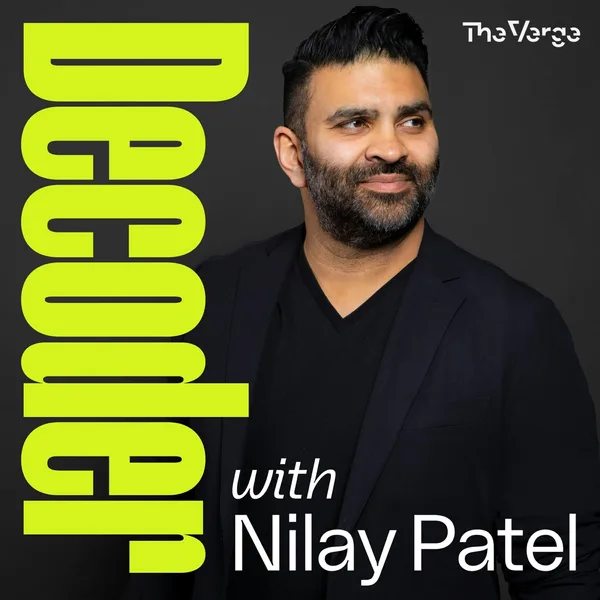
Nilay Patel interviews Xinzhou Wu, head of Nvidia's automotive division, on Decoder. They discuss the challenges facing electric and autonomous vehicles, particularly in the US. Wu shares Nvidia's perspective on Tesla's Full Self Driving technology and its reliance on sensors like LiDAR.
This episode talks about how companies like Nvidia are working on the technology for self-driving cars. It explores the difficulties in making cars drive themselves and whether they need special sensors, like those Tesla uses, to work safely.
This episode offers insight into the complex landscape of automotive AI, from the perspective of a key supplier. Listeners will learn about the technical hurdles and strategic decisions shaping the future of EVs and self-driving cars. It's relevant for anyone tracking AI's real-world applications beyond chatbots, especially how companies like Nvidia are navigating competition and technological debates with major players like Tesla.
- HostNilay Patel
- GuestXinzhou WuHead of Automotive, Nvidia
- Guest: Xinzhou Wu, Head of Nvidia's Automotive Division
- Show: Decoder with Nilay Patel
- Length: 72 minutes
- Topic: Challenges in EVs and autonomous vehicles, including Tesla's FSD without LiDAR.
Nvidia is obviously in the news constantly because of the AI boom — but it's also a major supplier to the entire auto industry As head of Nvidia's automotive division, Xinzhou Wu has a front-row seat to all the challenges EVs and autonomous vehicles are facing, especially in the US.
And of course, you can’t talk about electric cars or vehicle autonomy in the US without talking about Elon Musk and Tesla. So I asked Xinzhou pretty directly if Tesla full self driving can actually do what Elon claims it will be able to do without using LiDAR. You tell me if you think his answer holds up.
Read the full interview transcript on The Verge.
Links:
- Nvidia’s head of autonomous driving opens up about his plans | The Verge
- Hyundai, Nissan, BYD, and Geely Join Nvidia’s Level 4 | MotorTrend
- Nvidia, auto suppliers roll out partnerships to rekindle self-driving | Reuters
- Meet Alpamayo, Nvidia’s new AI model for autonomous cars | Forbes
- I tested Nvidia’s FSD competitor — Tesla should be worried | The Verge
Subscribe to The Verge to access the ad-free version of Decoder!
Credits:
Decoder is a production of The Verge and part of the Vox Media Podcast Network.
Decoder’s producers are Kate Cox and Nick Statt; this episode was edited by Xander Adams. Our editorial director is Kevin McShane.
The Decoder music is by Breakmaster Cylinder.
Learn more about your ad choices. Visit podcastchoices.com/adchoices
- LiDAR
- Xinzhou Wu
- A sensor that uses lasers to measure distances and create 3D maps of the surroundings, often used in self-driving cars.
Questions people ask
- What is Nvidia's role in the automotive industry?
- Nvidia is a major supplier to the auto industry, providing technology for electric vehicles and autonomous driving systems.
- Does the episode discuss Tesla's Full Self Driving?
- Yes, the episode directly addresses Tesla's Full Self Driving technology and the debate around its capabilities without LiDAR.
Page generated Oct 19, 2026. Summaries are Subvolts' own; the audio, artwork and notes belong to The Verge.